

11 Reasons Why FlatOut 2 Is Still the Best Arcade Racer
Comparisons Modbadger

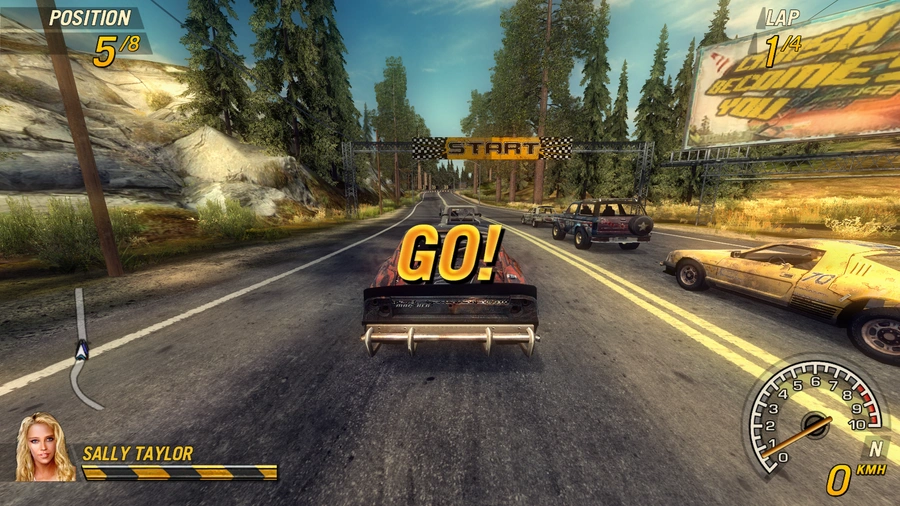
Let’s outline 10 reasons why FlatOut 2, decades after its release, remains the unrivaled arcade racer—boasting higher online activity than many modern titles released just five years ago—and why its popularity continues to grow. We’ll also compare it to other racing games to understand the phenomenon behind its enduring appeal.
1. Blend of arcade and sim driving physics
FlatOut 2’s handling physics originate from the rally simulator developed by the same team—Rally Trophy. You might think FlatOut 2 is “just an arcade game,” but it’s deeper than it seems. The roster includes both well‑controlled all‑wheel‑drive pickups and temperamental rear‑wheel‑drive sports cars that only the most skilled can tame. Every corner demands braking or slowing down—otherwise you’ll fly off the track and lose precious seconds. Any collision with static objects dramatically slows you down, and a rear impact can spin you out.
Other racers: Most modern games offer hyper‑arcade handling with minimal differences between cars. Braking in corners isn’t necessary—you can drift along a barrier with virtually no speed loss and sometimes even gain speed.
2. Unmatched crash physics
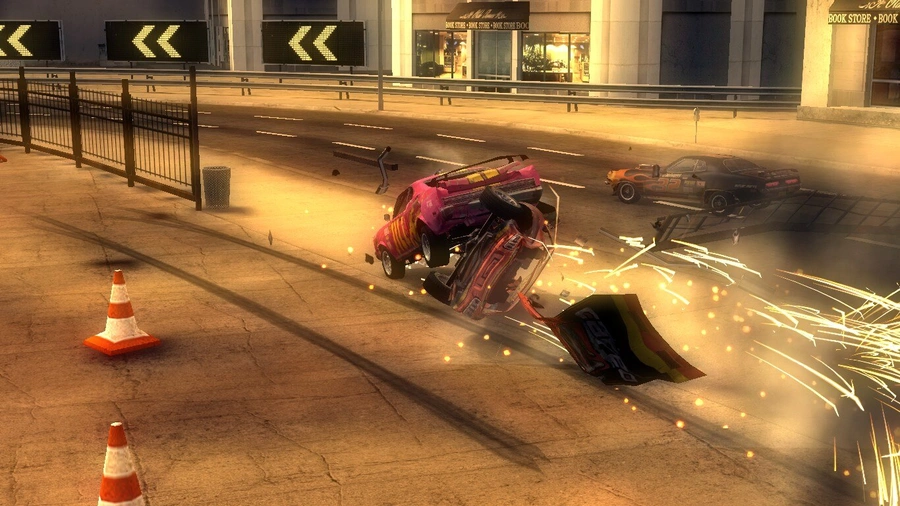
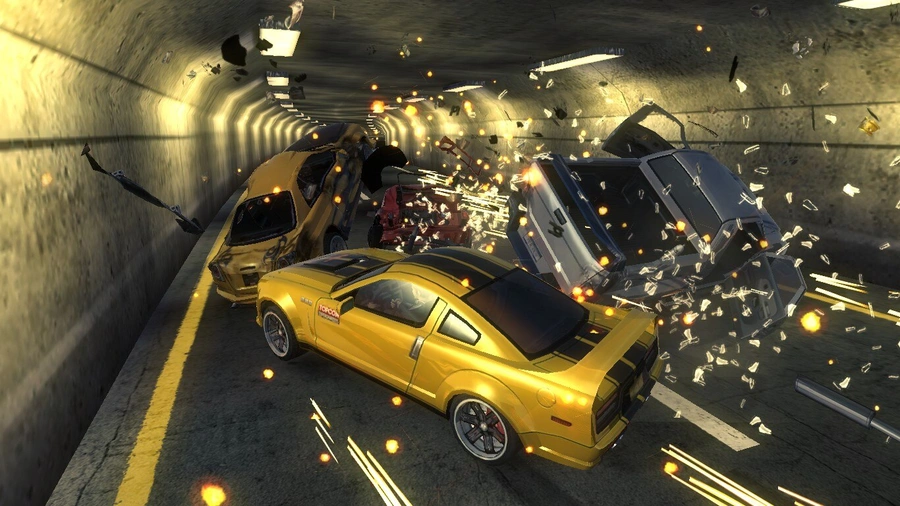
FlatOut 2 lets you perform realistic maneuvers—like a PIT maneuver that spins your rival out—“on steroids”: where a real car might tumble five times, here it does ten. Only BeamNG.drive comes close, but that’s more of a sandbox than a focused racing experience with these mechanics seamlessly baked into gameplay.
Other racers: Crashes usually only slow you down with a light bounce—devoid of the fun and spectacle that collisions in FlatOut 2 deliver.
3. Damage system and the potential to lose a wheel mid‑race
In FlatOut 2 you can win not only by finishing first but also by destroying every opponent. Cars incur realistic visual damage—heavy dents, ripping off doors, hoods, and other parts. Critical damage can even rip off one of your four wheels, drastically affecting handling and turning each race into a brutal test of skill.
Other racers: Destruction mechanics, when present, are usually simplified to a health bar—once depleted, the car explodes and respawns. Many titles don’t even offer that, at best showing superficial scratches.
4. Centrifugal force and jump behavior
To nail a jump in FlatOut 2, you must first overcome centrifugal force in a turn. On landing, you have to “catch” the car—it doesn’t magnetically stick to the ground and can bounce off in unintended directions.
Other racers: Centrifugal force is virtually nonexistent, and landings feel as if the car is glued to the surface.
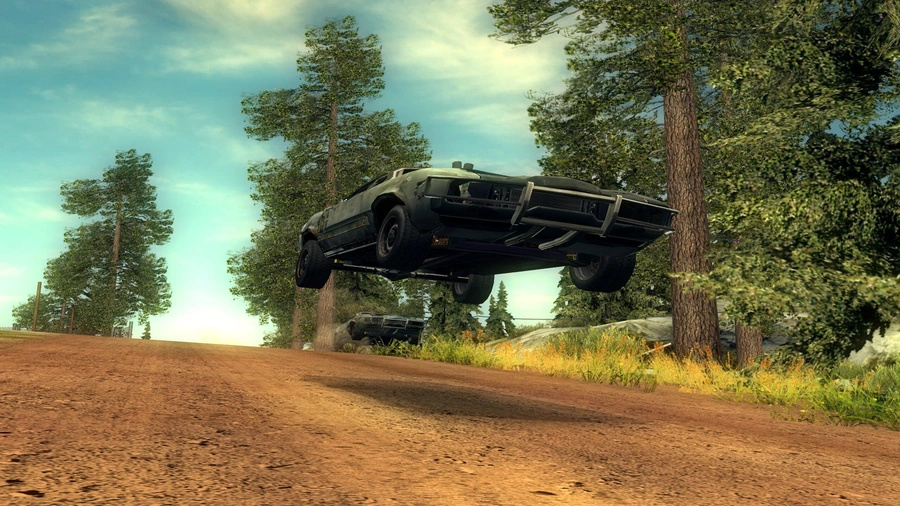
5. Abundance of physically interactive debris on tracks
Debris on the track in FlatOut 2 can be seen as both a flaw and a feature: hitting a random object can suddenly hurl any car off course, adding an element of unpredictability. Victory goes not only to the fastest but also to the luckiest.
Other racers: Debris is either absent or purely decorative, with no impact on your car when hit.
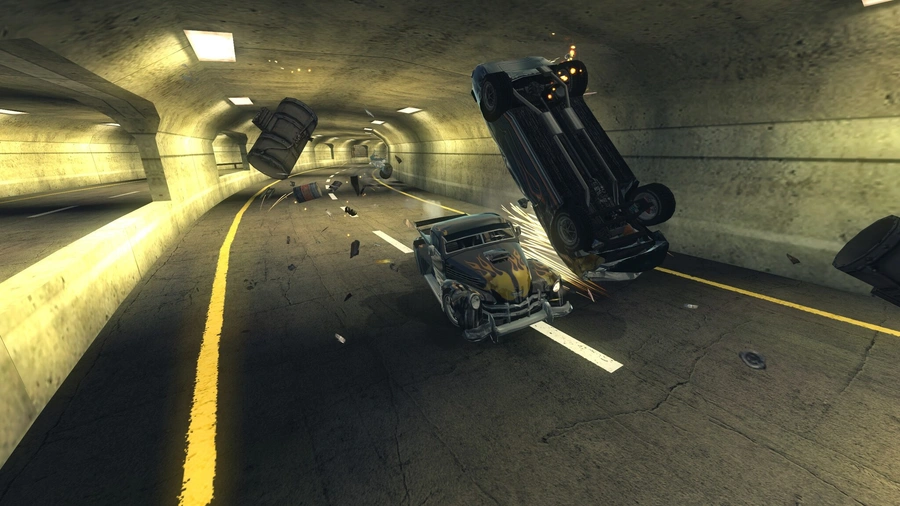
6. Demolition derby, stunt modes, and driver ejections
In FlatOut 2’s derby mode, the winner isn’t who avoids collisions longest but who deals the most damage (early Wreckfest vibes). There’s a stunt mode where you can literally toy with your driver—ejecting them through the windshield into flaming rings, doing pancake flips into a pool, kicking field goals, playing bowling, basketball, and more. The driver can even be propelled out of the car during a race if the crash is severe enough.
Other racers: Such wild, playful modes are virtually nonexistent—most games stick to a single, uniform racing formula.
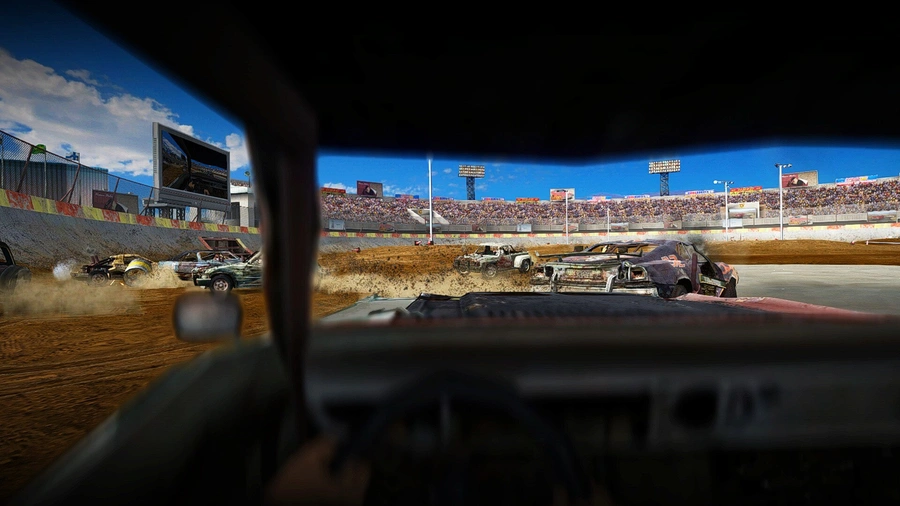
7. Opponents with personality – and just as prone to mistakes as the player
In FlatOut 2 while there's no story campaign, each AI driver has their own avatar reflecting their appearance, along with distinct preferences in vehicles and driving styles—aggressive, cautious, racing-focused, balanced, and more. They don’t drive flawlessly: they crash, spin out, and miss turns. But they’re still competitive and can challenge you. Often, victory doesn’t require blazing speed—just fewer mistakes than your opponents. This makes the races feel dynamic and alive—you quickly forget you’re up against bots.
Other racers: Apart from a few scripted rivals, most opponents in modern racing games are faceless. Aside from a generic nickname, they lack personality, always follow the same ideal racing line, and rarely make errors.
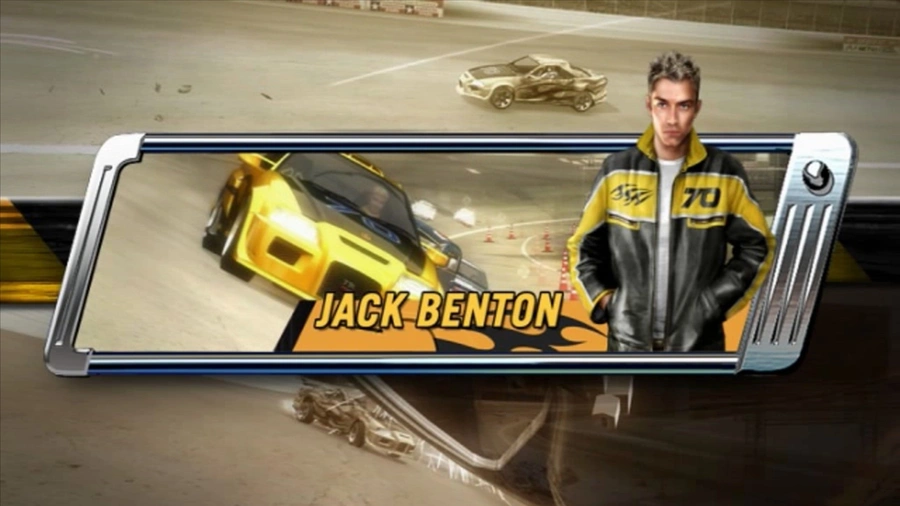
8. Ability to eliminate opponents to claim victory
You don’t need raw speed to win in FlatOut 2—you can simply destroy every other car. Vehicles with low integrity start to burn, shedding parts including wheels, which cripples their handling and makes them nearly impossible to control.
Other racers: In most modern racers, victory goes strictly to the fastest driver—there are no alternative win conditions.
9. Outstanding soundtrack
Music is subjective, but FlatOut 2’s roster of 2000s rock tracks perfectly underscores the adrenaline and chaos of its races. In terms of soundtrack quality, only Need for Speed: Underground 2 and Need for Speed: Most Wanted (2005) come close.
Other racers: Contemporary titles often default to generic electronic loops, sterile EDM, or bland rap tracks.
10. Active multiplayer and clans
Even decades after its launch, you can still find opponents online in FlatOut 2. Tournaments are held regularly—some even offering prize pools. Clans are also formed and disbanded—there’s a vibrant community life.
Other racers: Online communities usually vanish within a few years—let alone decades.
11. Modding scene
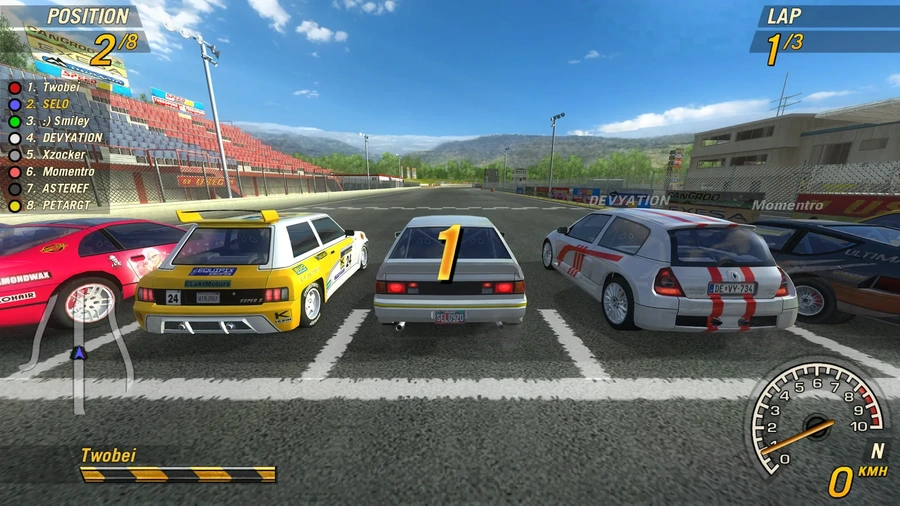
Despite the lack of official tools, fans have discovered ways to create major modifications. For example, Selo’s Car Pack adds dozens of new cars and tracks—some pulled from the first game—and even custom multiplayer support.
Other racers: Modding, if it exists, is often limited to visual tweaks and rarely introduces substantial new content, especially for multiplayer.
Bonus Reason #12
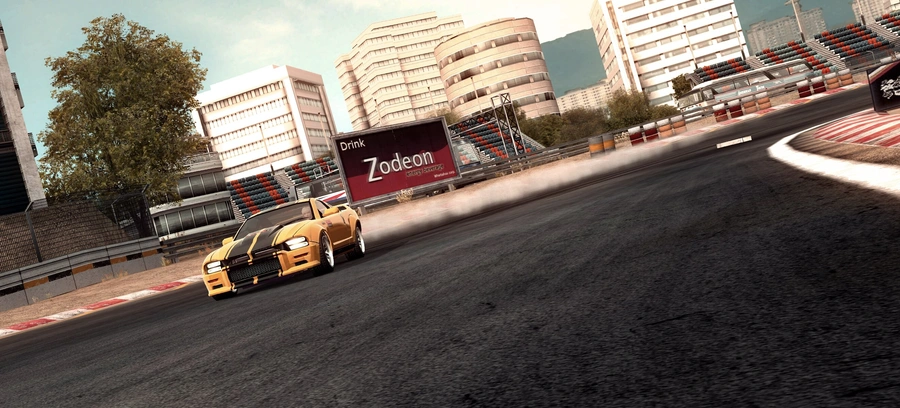
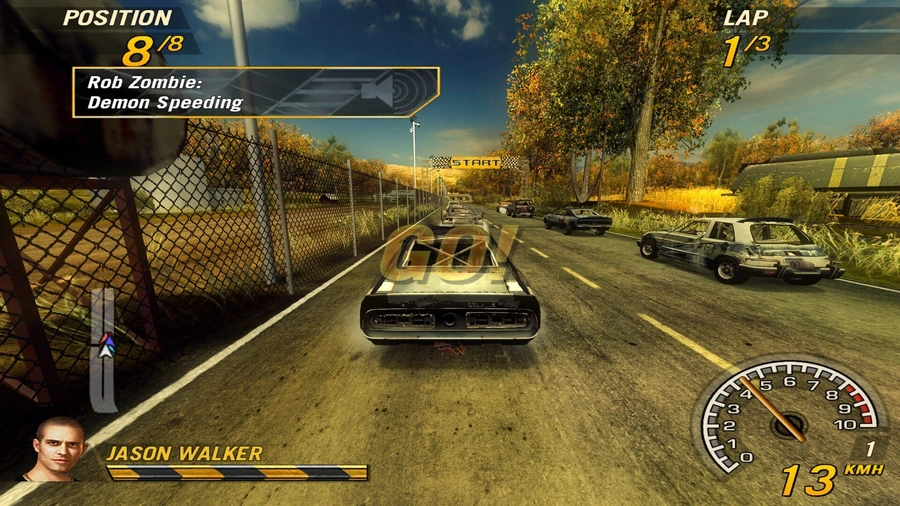
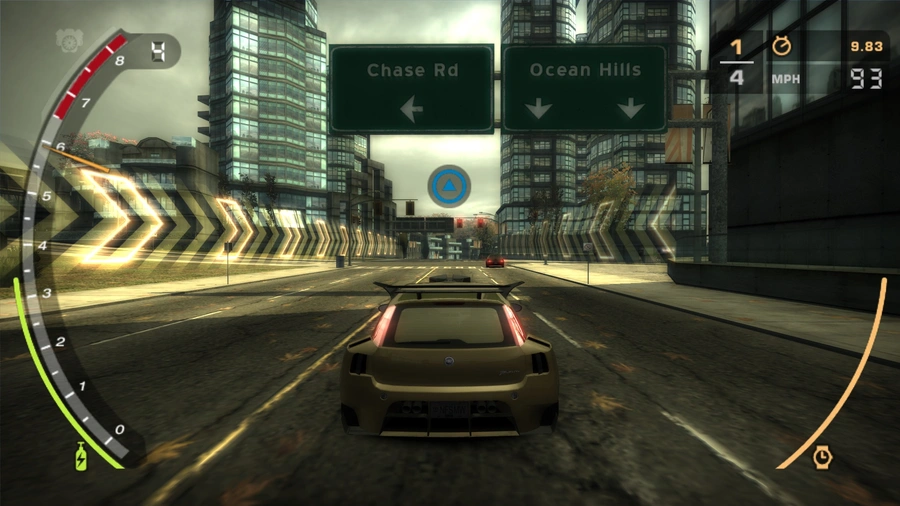
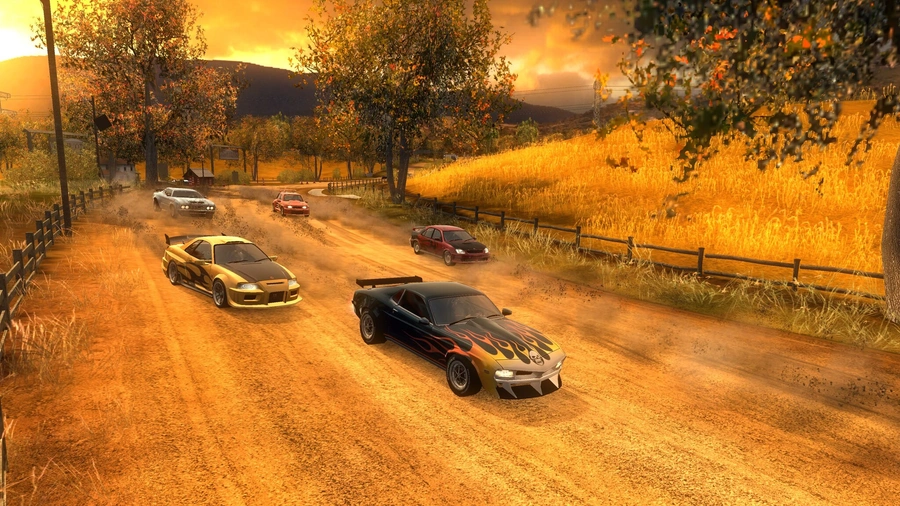
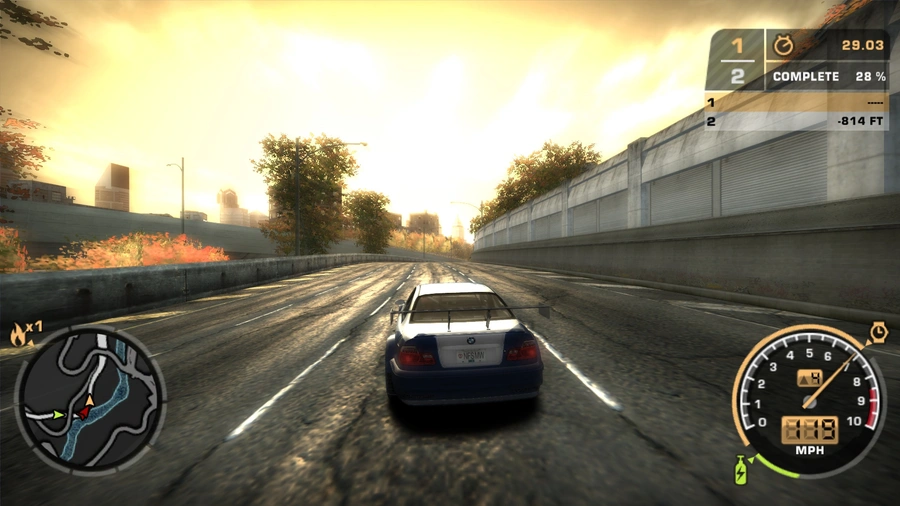
FlatOut 2’s visuals have aged remarkably well and still look sharper than many contemporaries from its era. Let’s compare.
FlatOut 2 (2006) vs Need for Speed: Most Wanted (2005)
What do you think about this?
Recommended Files
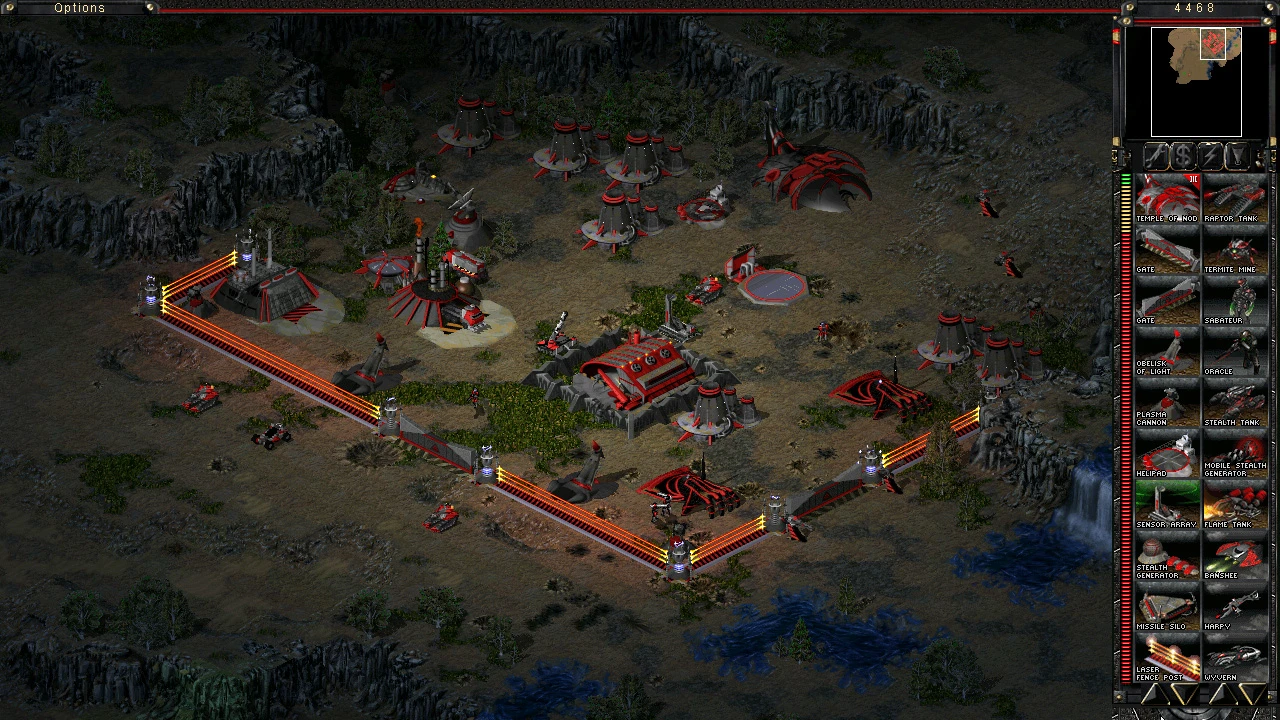
The Second Tiberium WarCommand & Conquer: Tiberian Sun (1999)
The Second Tiberium War is a global mod for Tiberian Sun that enhances all aspects of the game and offers a completely new story campaign where the fates of GDI, Nod, and mutants intertwine against a backdrop of political intrigue and the Brotherhood's revival.
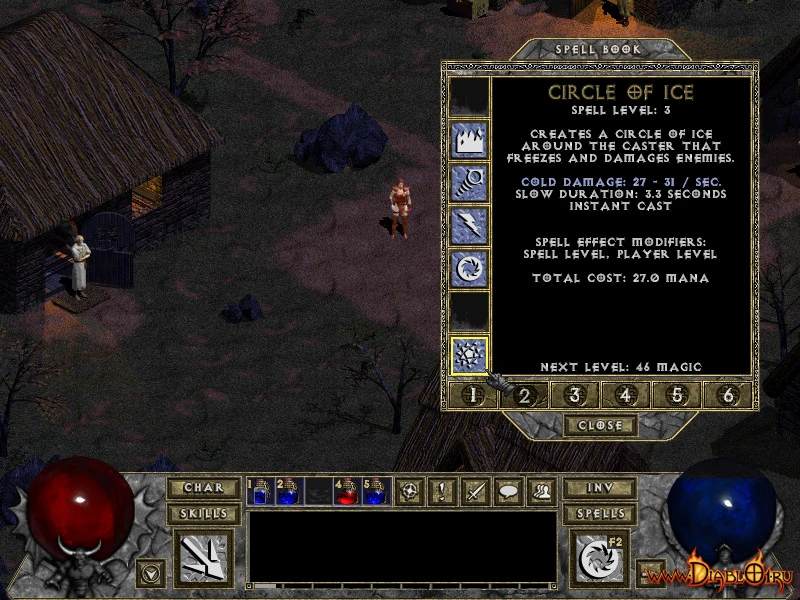
Diablo I HD Mod (Belzebub)Diablo (1996)
Diablo I HD Mod (Belzebub) is a large-scale mod for the original Diablo that adds HD resolution support, new character classes, restored quests, an improved interface, and numerous gameplay enhancements.
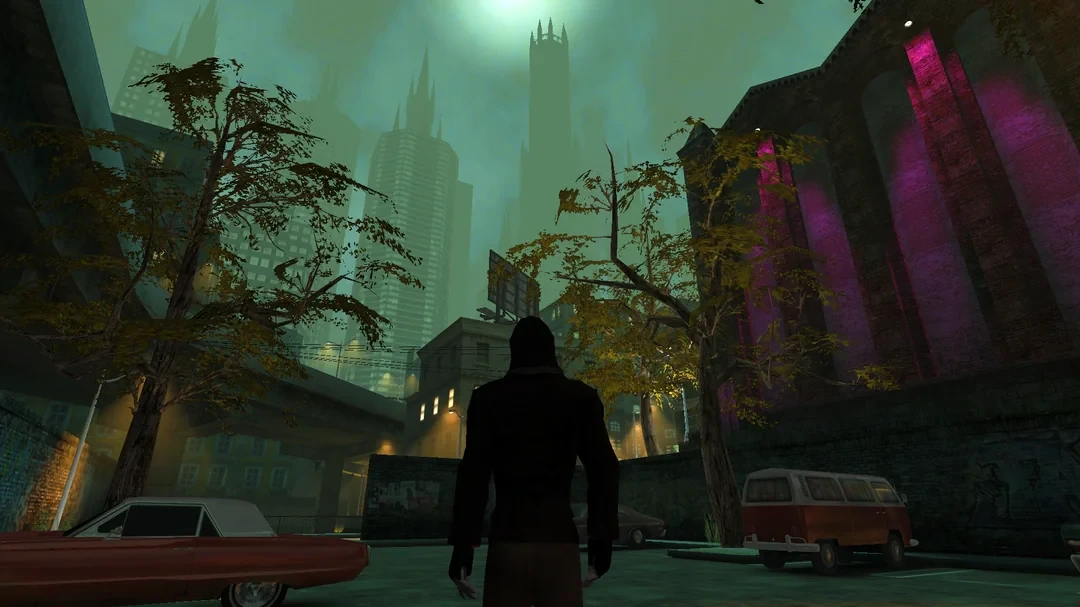
VTMB PreludeVampire: The Masquerade - Bloodlines (2004)
VTMB Prelude is a major story mod for Vampire: The Masquerade – Bloodlines, set before the events of the original game. The player becomes entangled in a dark conflict between hunters and vampires, exploring new locations and encountering characters who stand at the core of the Bloodlines story.
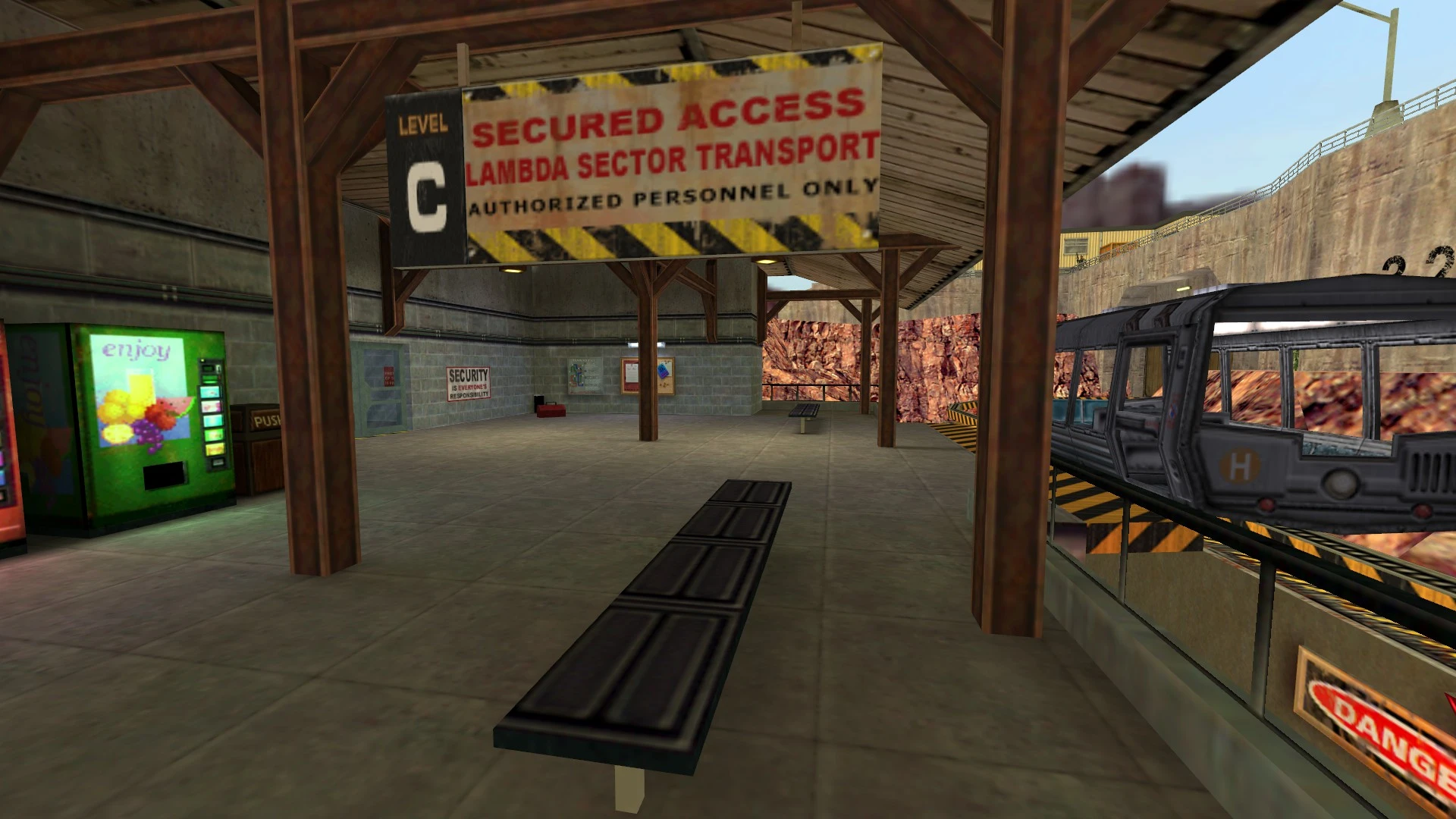
Half-Life: Residual LifeHalf-Life (1998)
Half-Life: Residual Life is a single-player campaign for Half-Life from a South Korean team, which is a continuation of the Residual Point mod, where G-Man somehow reboots the space-time continuum, leading to an alternative timeline of events at Black Mesa, where you play as a scientist trying to escape to the surface.

Xash3D EngineHalf-Life (1998)
Xash3D Engine is a game engine designed to run games created on Valve's GoldSrc engine, such as Half-Life and its mods. It offers improved performance, enhanced settings, and stability compared to the original engine.
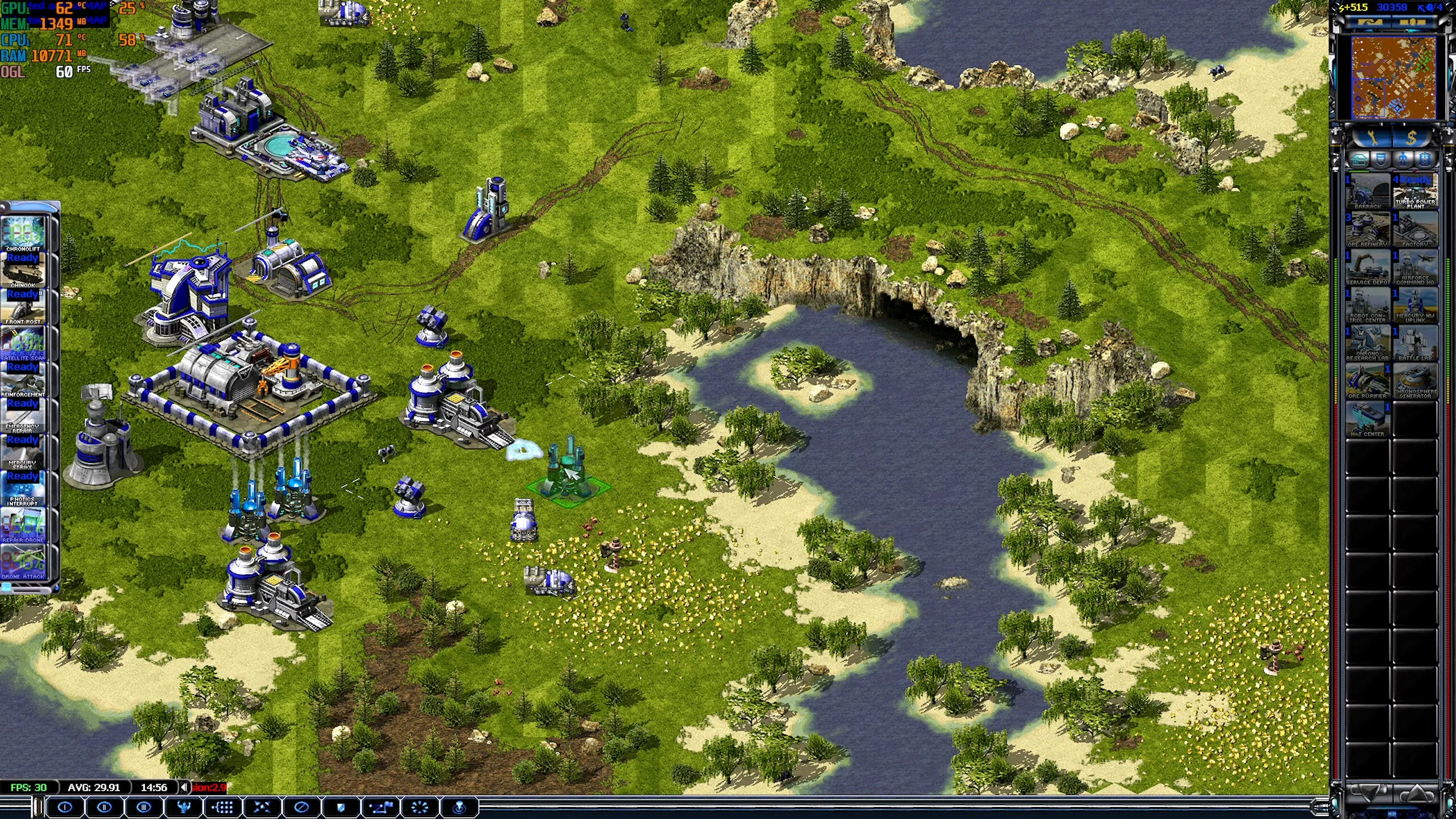
Technology RevolutionCommand & Conquer: Yuri's Revenge (2001)
Technology Revolution is a mod for Command & Conquer: Yuri's Revenge that focuses on enhancing graphics to improve immersion. It also reworks the existing factions and introduces a new storyline involving Nazis and an alien invasion.