


The Non-Obvious Reason for the Decline of Arcade Racing — and How to Fix It
Point of View Modbadger


Foreword
The golden age of racing games came in the 2000s, when the Need for Speed series became the flagship and symbol of arcade racing. It won players over with its street racing atmosphere, car customization, and a powerful soundtrack, and its success inspired other developers to release their own projects in hopes of replicating that achievement.
What happened next? Why did a once-thriving genre begin to stagnate and today has nearly vanished?There are many opinions, but most agree on one thing: the cause lies in the shifting preferences of the audience. New genres emerged, and a significant share of revenue — along with players — migrated to other directions, especially to live-service games.
I partially agree with this thesis, but not entirely. It seems to me that the problem runs far deeper than is commonly assumed.
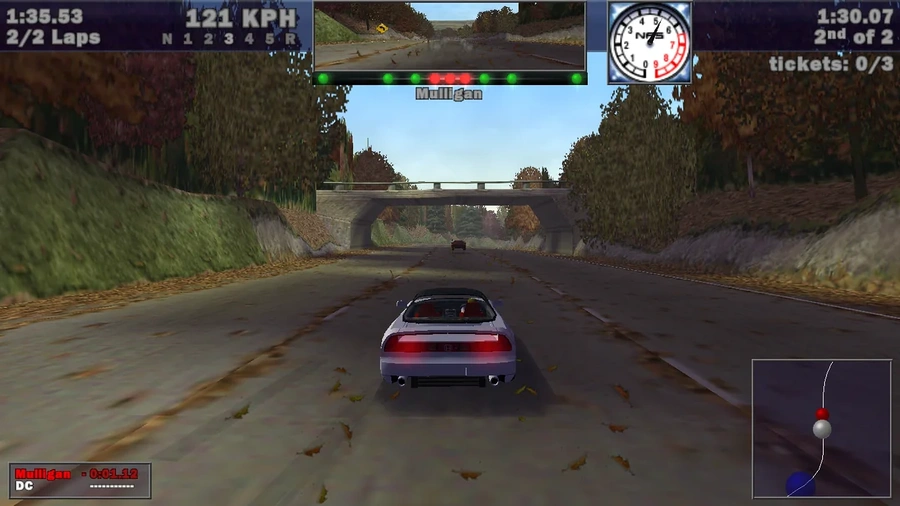
Screenshot from Need for Speed: Hot Pursuit (1998)
How It All Began
Let's start from the very beginning. If you give a child two toy cars, what will they do with them? Most likely, they'll start creating crash scenarios — smashing the cars together, flipping them over, and watching what happens. That's where the fun lies: in the collision, in the surprise, in the consequences.

And what stood at the origins of the modern racing genre, at a time when hardware capabilities had practically stopped limiting developers? Partly the same thing as a child playing with toy cars — the freedom to act in the game however you please.
One might recall Need for Speed: Porsche Unleashed from the year 2000, a game fondly remembered by many veterans of the series.
What do we see? Compared to later entries — unusual physics. The game punished players for mistakes, but simultaneously rewarded them with spectacular crashes. Ramming a rival or clipping a bump off the track could result in a dramatic accident whose development the player could influence, rather than being a mere spectator.
This was a time when developers hadn't yet lost their inner child — and understood why, as kids, we loved playing with toy cars.
When It All Went Wrong and Why
In subsequent NFS games, this element gradually degraded. First, the ability to ram opponents was almost entirely removed — cars barely reacted to collisions. The only thing that happened when you rammed someone was a sharp drop in speed, as though you'd hit a wall rather than a rival's car. This added neither fun nor the atmosphere of risk-filled racing.
Even where the ability to cause crashes was formally preserved, players were robbed of the pleasure it brought. Cutting to a cinematic side-on camera broke the flow of gameplay and caused disorientation upon returning to the main camera — it took a moment to understand where you were and what to do next.
Crashes became scripted cutscenes, perceived more as an annoyance than a reward. Over time, developers began abandoning even this approach.
Crash footage from Need for Speed: Hot Pursuit Remastered (2020) — beautiful, but artificial
What caused this decline of realistic physics in the genre? Most likely, car manufacturers didn't want their vehicles depicted in accidents. Developers who purchased licenses from them were forced to dial back the "fun factor" to avoid damaging a brand's reputation.
Games featuring licensed cars were precisely the ones that enjoyed the greatest popularity and were part of the successful AAA projects of the era. Over time, this became an axiom: if you want to make an expensive, potentially hit racing game — buy vehicle licenses.
In all these games, the damage system was heavily restricted. Usually, cars would only pick up scratches and dents — there was no collision physics to speak of.
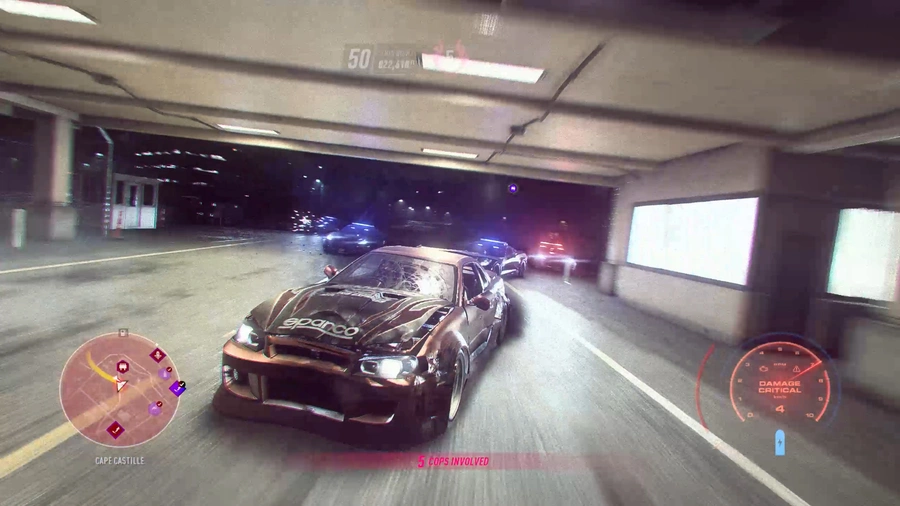
Screenshot from Need for Speed: Heat (2022)
Another reason may be developers' fear of frustrating players. Realistic collision physics always adds difficulty and can cost time when things go wrong. What do you do if a player drives poorly and constantly crashes? Artificially slow down the AI? Developers already do this frequently, but since players can barely lose much time anyway, it goes largely unnoticed. In a world with real collision physics, any attempt to regulate AI speed would be far too obvious.
Because of this fear, even the objects on track that developers still allow to be destroyed — lampposts, barriers, billboards — are weightless. They serve a purely decorative function; a collision with them cannot slow the car or alter its trajectory, and therefore cannot create unexpected or unique situations.
The Current Formula for Arcade Racing
Years passed, and among both developers and players, a single "successful" formula became entrenched — games with no collision physics and no vehicle damage model, even when no licensed cars were involved.
The absence of physics led to on-rails driving. There was no longer any need to fear catching a bump, knocking a heavy object off the road and losing speed, getting shoved off the track by a rival, or even braking through certain corners.
On-rails gameplay was reduced to holding the gas button, tapping left and right, and hitting nitro (if available). Flying off the track became nearly impossible — it was often lined with invisible barriers forming a comfortable tunnel toward your victory. Sometimes things reached the absurd: in some games, people won races by simply holding down the accelerator with a heavy object placed on the key.
Split/Second (2010) — not the worst representative of on-rails racing, which merely creates the illusion of destruction
Perhaps this formula worked at first, but it couldn't last. Racing games became too similar to one another. There were attempts to shift the focus beyond racing to the surrounding world — as in Test Drive — but these remained isolated experiments that didn't solve the core problem.
The on-rails nature and repetitive gameplay eventually wore out the audience, while the rise of more popular genres shifted the focus of major companies and players toward other directions.
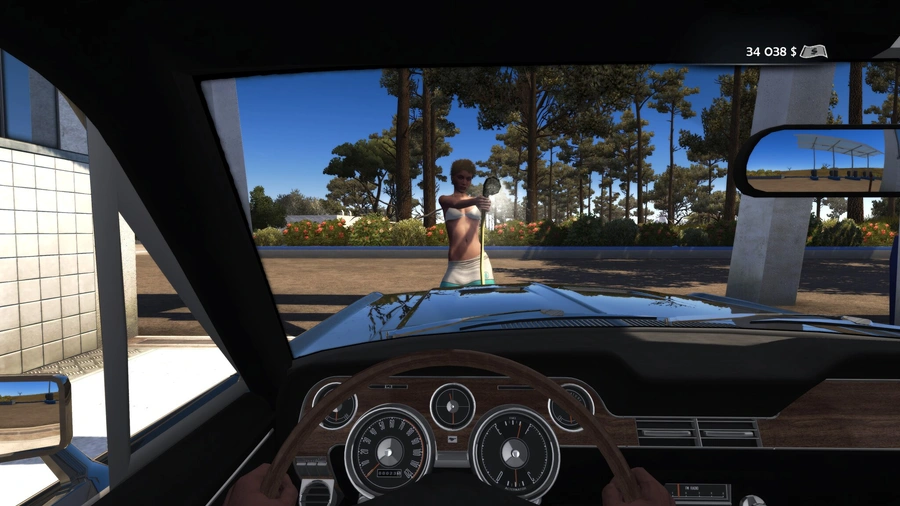
Screenshot from Test Drive Unlimited 2
What Needs to Be Done
We need to bring back realistic collision physics, and not be afraid to both punish and reward the player for crashes — that's exactly what delivers a rush of emotions and takes us back to childhood, when we played with toy cars, let our imagination run wild and staged crashes with them. Every crash is different, it's nearly impossible to replicate the same one twice — and that lack of repetition makes the game feel more alive and realistic, keeping it from getting stale too quickly.
It's also simply compelling to watch. BeamNG.drive, for example, has been in Early Access for years and offers almost nothing beyond realistic collision physics and destructibility. Yet videos showcasing crashes rack up millions of views on YouTube — it's spectacular and fun.
There's also the example of an older game with realistic collision physics — FlatOut 2, released at the peak of the Need for Speed series' popularity, just one year after Need for Speed: Most Wanted.
In my view, it has aged better than Most Wanted, judging by peak concurrent player counts on Steam — which sometimes reach 500 — as well as multiplayer numbers that have grown year over year. And this for a game released in 2006. That's a signal to developers about what audiences actually want from the arcade racing genre.
Another bright modern example of a racing game with near-realistic collision physics is Wreckfest 2, whose physics have been significantly improved over the first installment. The game combines realistic collisions with near-simulation vehicle handling, proving that good collision physics is not the exclusive domain of arcade racers.
So we have just a handful of racing games with a collision system approaching realism (the GTA series can partly be included here as well), and all of them are doing well — retaining their audiences noticeably more effectively than most other racing games. Developers continue to support them for years. Coincidence or a pattern?
Someone might argue that when playing arcade racing games, they simply enjoy the driving and the look of beautiful cars, and have no need for crashes. But nobody is forcing them into crashes — collisions can be made an enjoyable option, not an obligation.
It is precisely the risk of collision that makes real racing drivers drive the way they do: carefully, but fast. Every overtake increases the chance of an accident, and a clean pass becomes a genuine achievement. The same can be true in a game.
In the already-mentioned FlatOut 2, for instance: the better a player becomes, the less they want to crash. He prefers clean driving and overtakes, which — in the context of realistic collision physics and debris scattered across the track — present a genuine challenge: the kind of challenge that is almost nowhere to be found in racing games, even in simulators.
A FlatOut 2 tournament where clean-driving rules apply
Conclusion
Realistic collision physics doesn't have to turn gameplay into a constant crash-fest. It simply makes the game more alive, more risky, and more varied — drawing players back again and again. Thanks to physics, you will never fully see everything the game has to offer; it will always be capable of surprising you.
I am convinced that this is what can save the arcade racing genre. Simulators have many other elements that make them deep even without collision physics — though it wouldn't hurt there either. Arcade racers generally lack such mechanics, and simple on-rails driving no longer impresses, even when a game boasts beautiful graphics and a recognizable brand.
Recommended Files
Nuclear WinterHalf-Life (1998)
Nuclear Winter — a story mod for Half-Life: Opposing Force, where you'll undertake new missions in a post-nuclear winter setting, facing harsh atmosphere, dangerous enemies, and a grim story unfolding after the catastrophe.
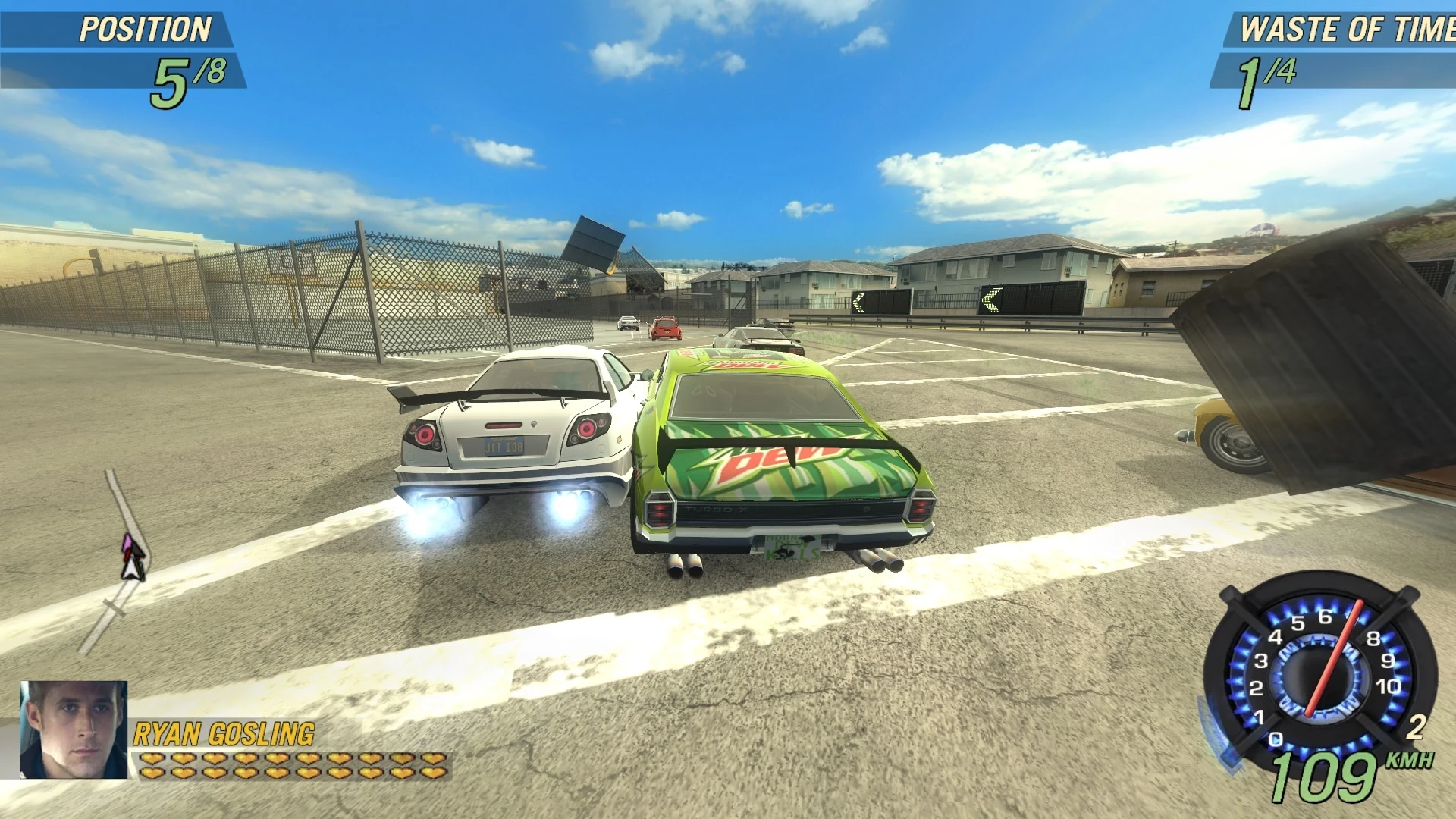
Stupid Stupid Mod for Selo's Car PackFlatOut 2 (2006)
Stupid Stupid Mod for Selo's Car Pack is a humorous addon for FlatOut 2 and the Selo's Car Pack mod that makes the game even crazier by replacing sounds, textures, effects, and the soundtrack, adding new car skins, and much more.
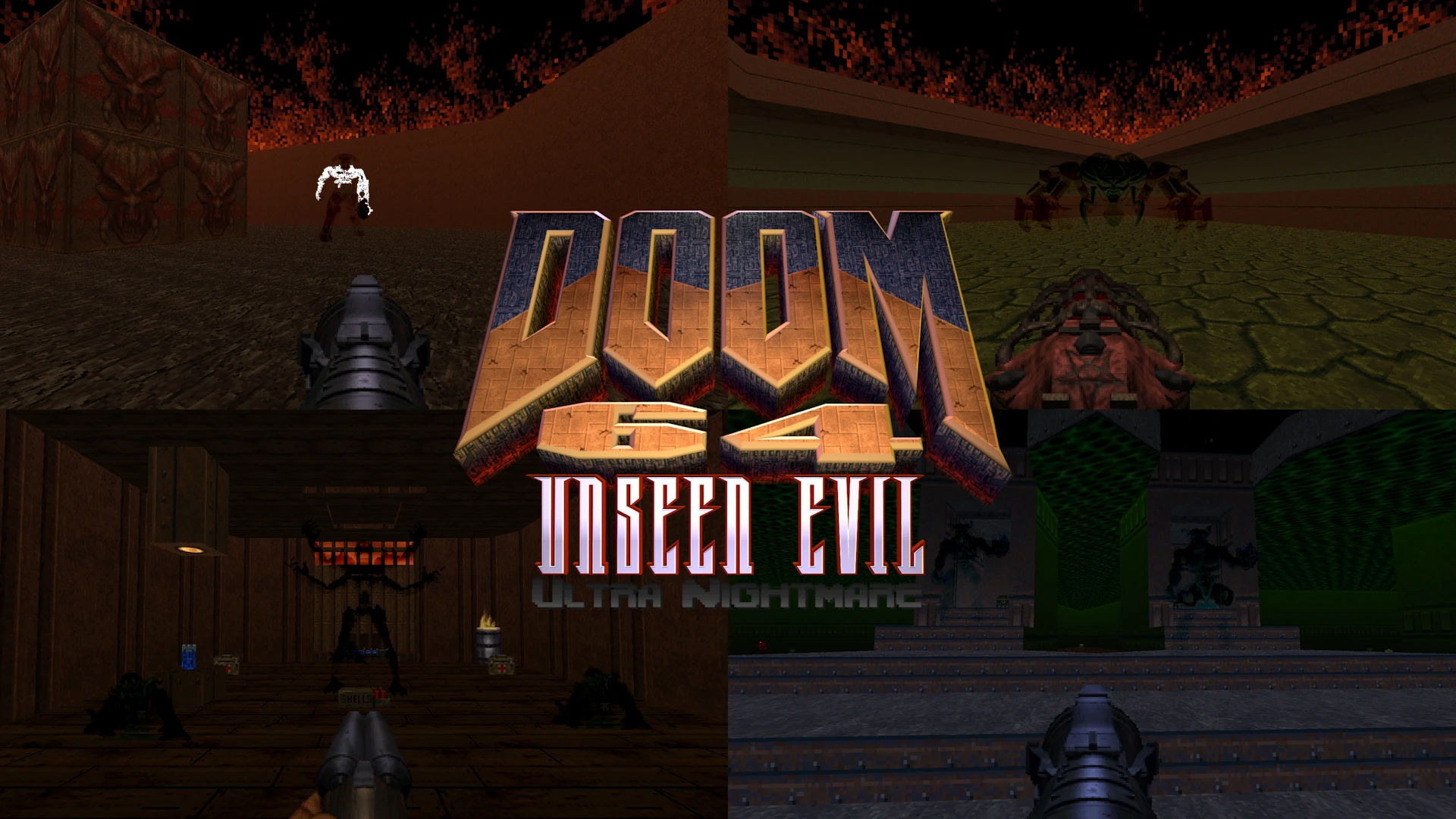
DOOM 64: Unseen Evil Ultra NightmareDoom (1993)
A brand-new difficulty created based on the Ultra Nightmare difficulty and ported for the Doom 64: Unseen Evil! mod.
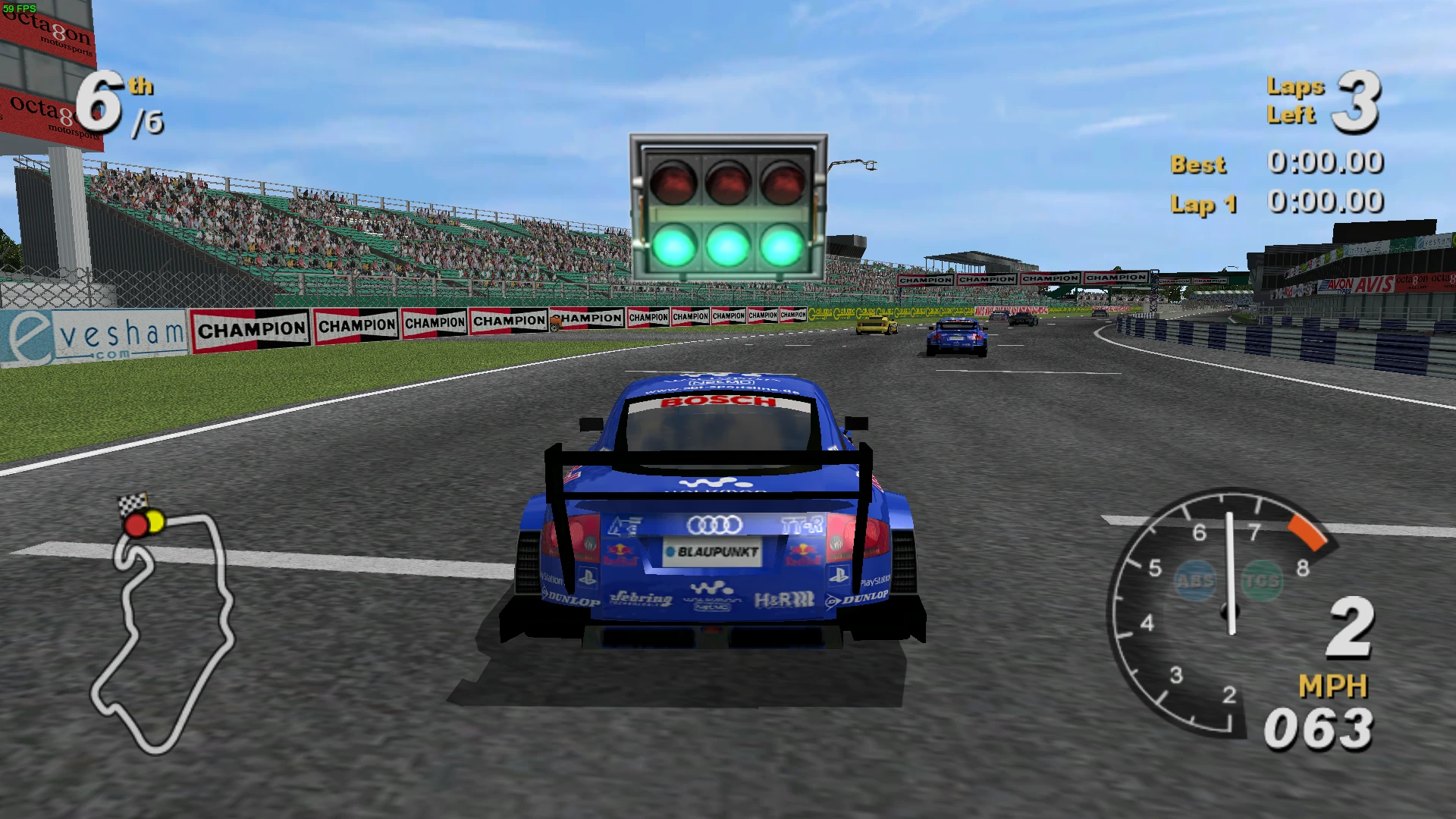
TiR TweaksTotal Immersion Racing (2002)
TiR Tweaks is a collection of small improvements and fixes for Total Immersion Racing. Includes widescreen support, higher shadow resolution, increased draw distance, intro skip, and much more.
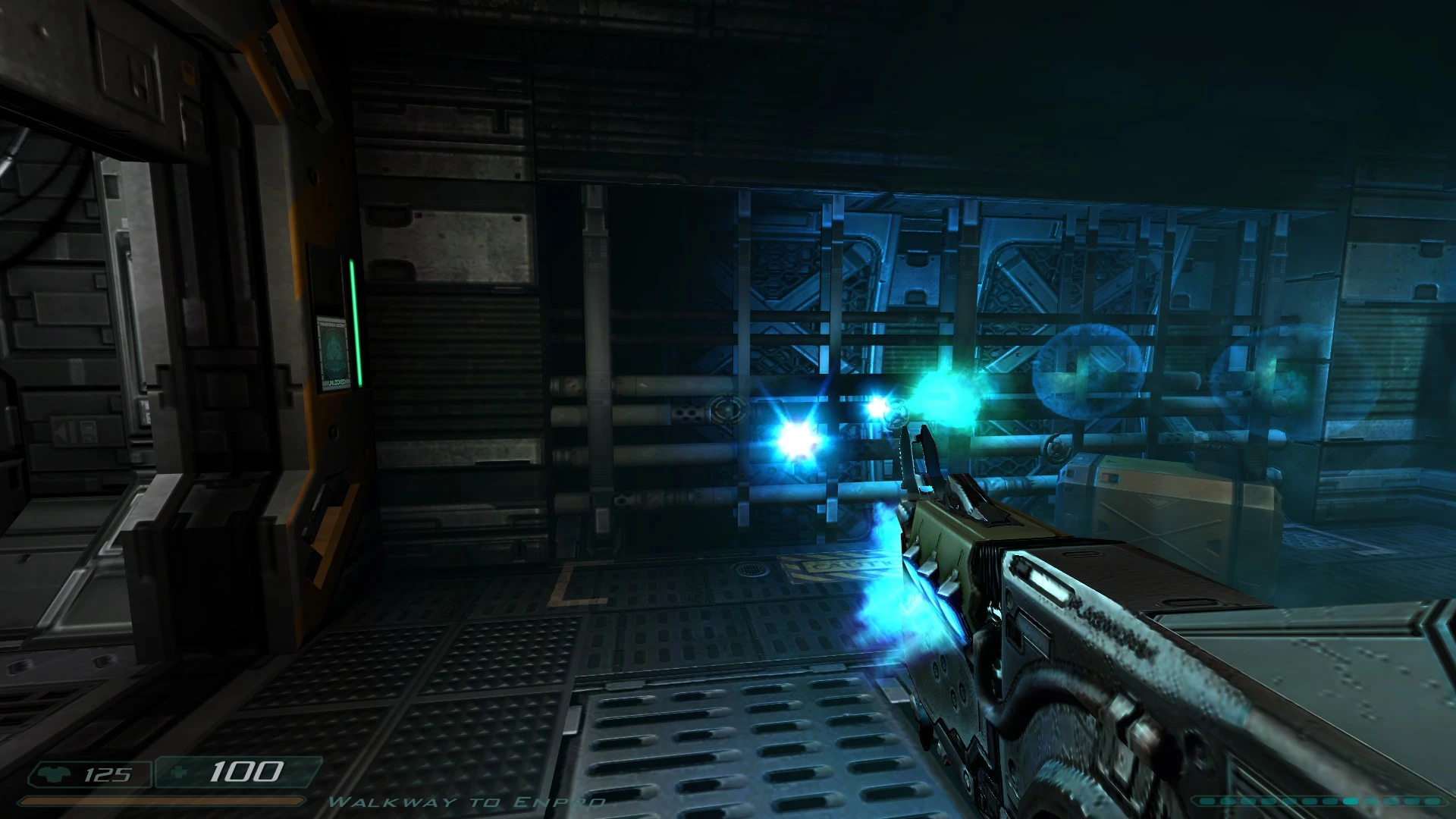
Doom 3 Enhanced Edition - D3EEDoom 3 (2004)
Doom 3 Enhanced Edition (D3EE) is a mod that improves and modernizes Doom 3 and its expansions Resurrection of Evil and The Lost Mission. It fixes numerous bugs, improves the UI, balance, and audio, adds widescreen resolution support, and makes the overall experience more cohesive.
Disciples 2: Alternative ModDisciples II: Rise of The Elves (2003)
Disciples 2: Alternative Mod is a major modification with new factional and neutral units, items, music, and revamped combat mechanics (attack zones, new attack types) and story campaigns.
Companion Mod Core EditionVampire: The Masquerade - Bloodlines (2004)
Companion Mod Core Edition is a revival of the Companion Mod for VTMB, which allows you to recruit NPCs to accompany you in the game. You can also control your companions, using their abilities and disciplines, as well as place them in your haven. Additionally, you can recruit ghouls.